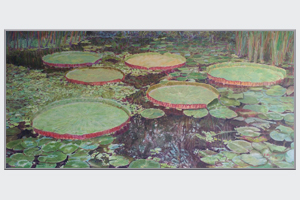
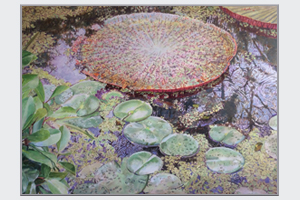
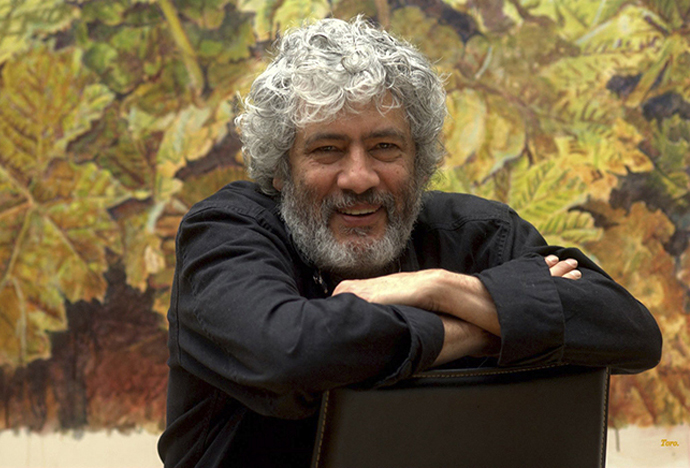
“Air and Water” is an art collection whose purpose is to create a space for reflection on the need to protect two elements vital to the preservation of life: air and water. It features a selection of more than 21 previously unseen works created in recent decades by the renowned painter Oscar Alzate; The exhibition focuses on the delicate balance within which precious aquatic ecosystems coexist throughout Colombia, and on the urgent need to protect them.
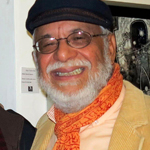
Oscar Alzate, 1951-2018
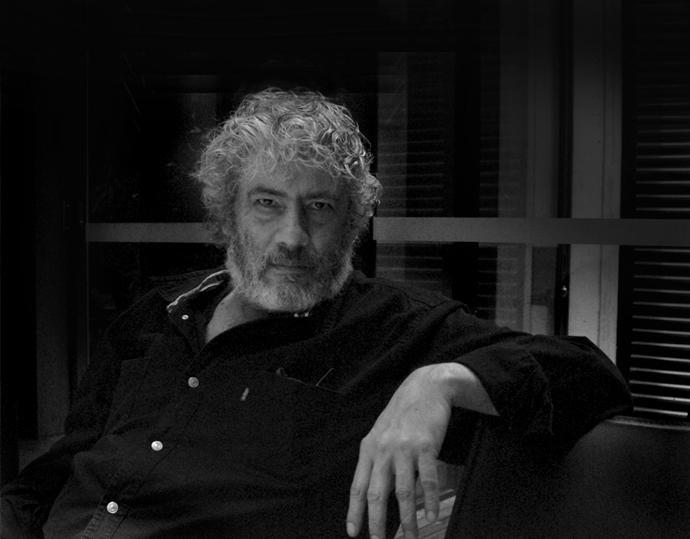
The corpus of works of this collection are the works created by the artist during his last 20 years of life, whose theme is the biodiversity of three fundamental ecosystems of the planet: the paramo, the jungle and the mangrove. The narrative will be the water’s path from its source in the highest paramos, passing through the sub-paramos, jungle swamps and ending in the tangled mangrove, where the water that nourishes the ocean will finally flow.
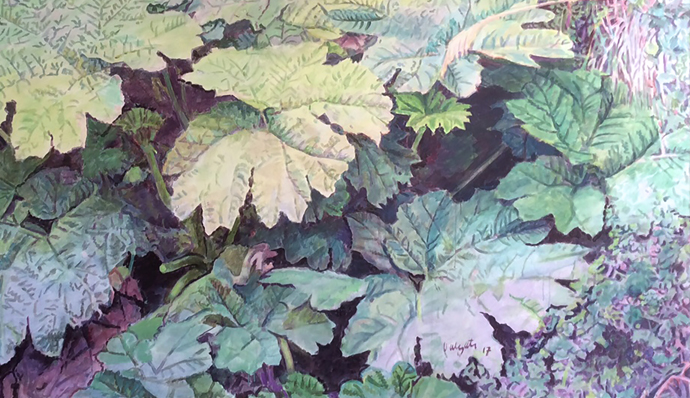
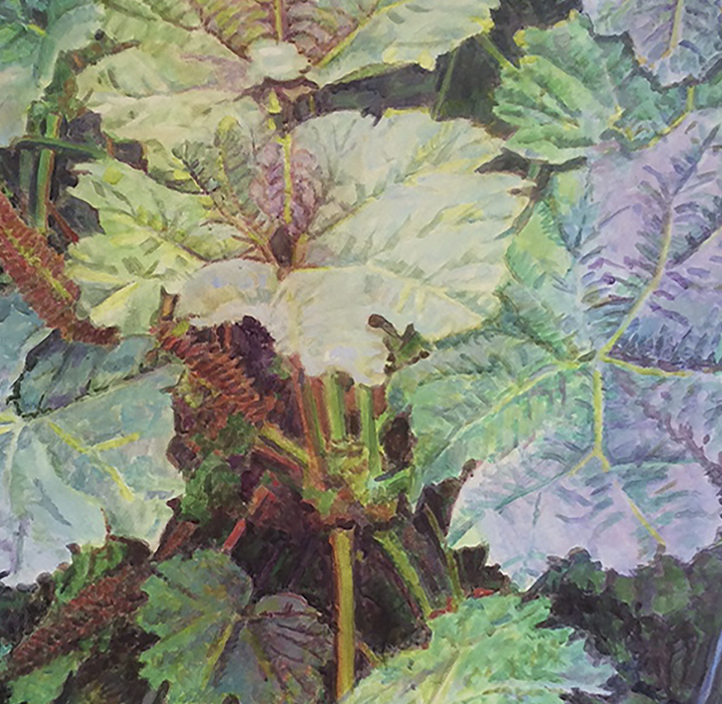
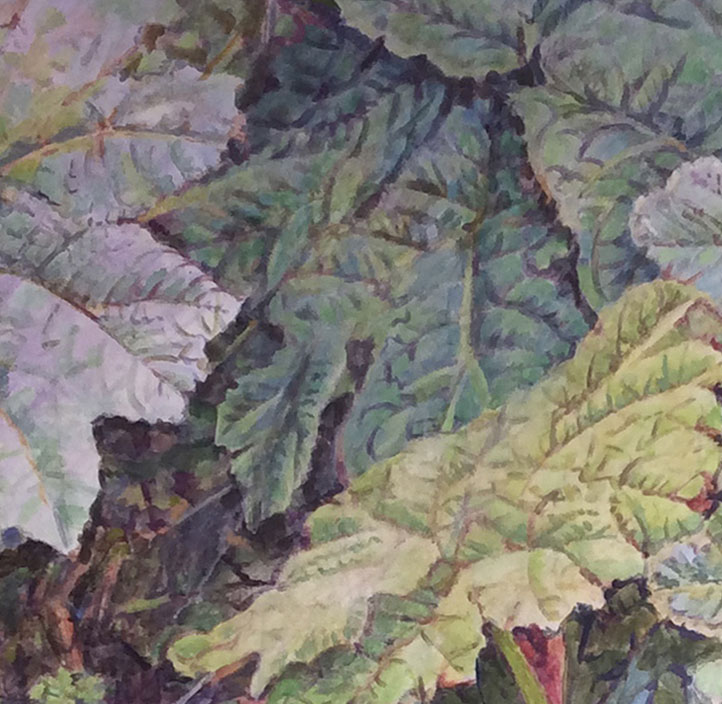
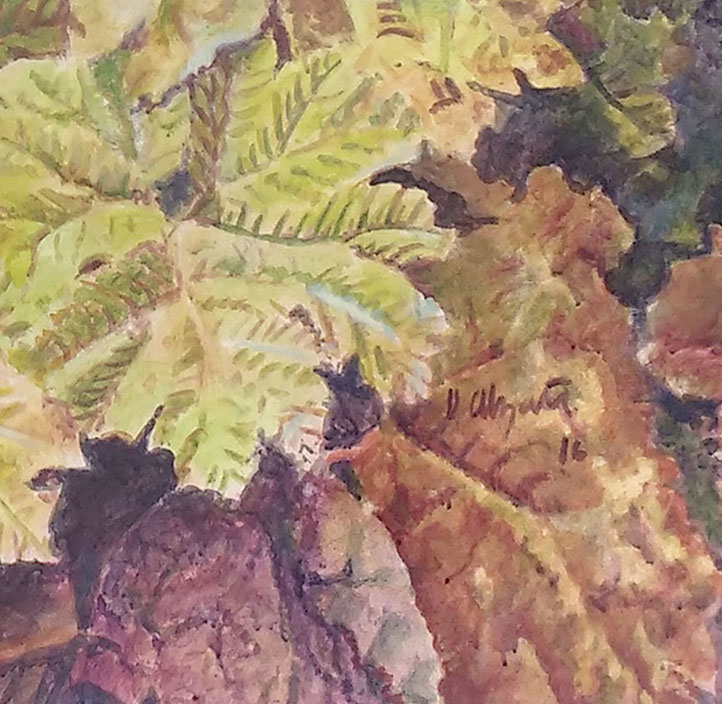
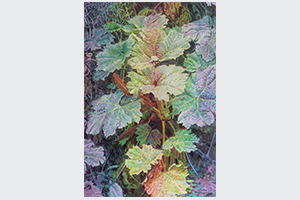
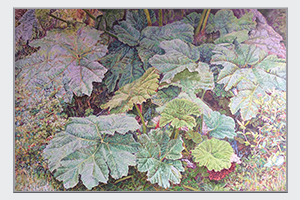
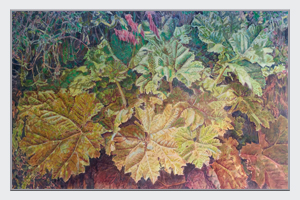
A majestic landscape of the Sumapaz paramo introduces the exhibition, highlighting this ecosystem’s atypicality, rarely approached by landscape painters, followed by the painting series of the "mazorca de agua", an intricate plant with large leaves found in the sub-paramos.
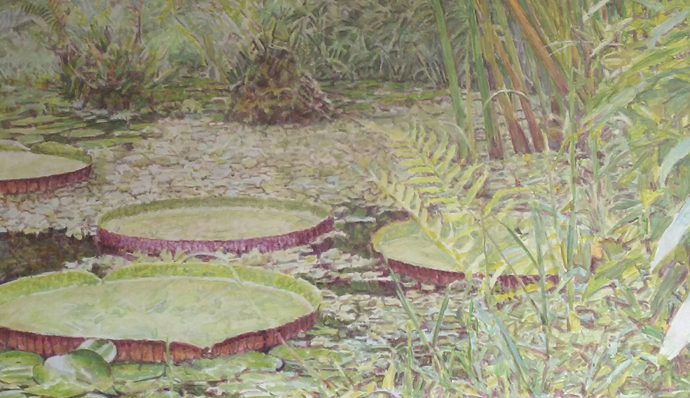
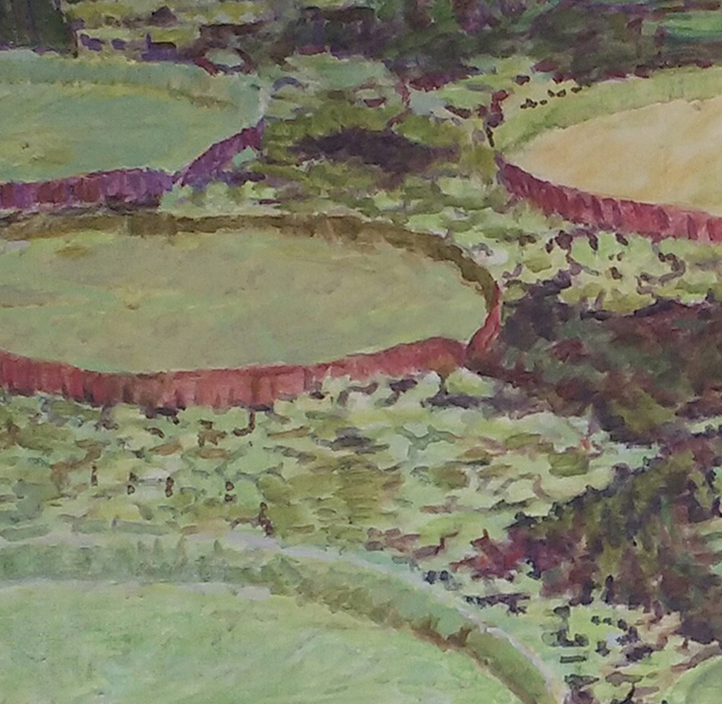
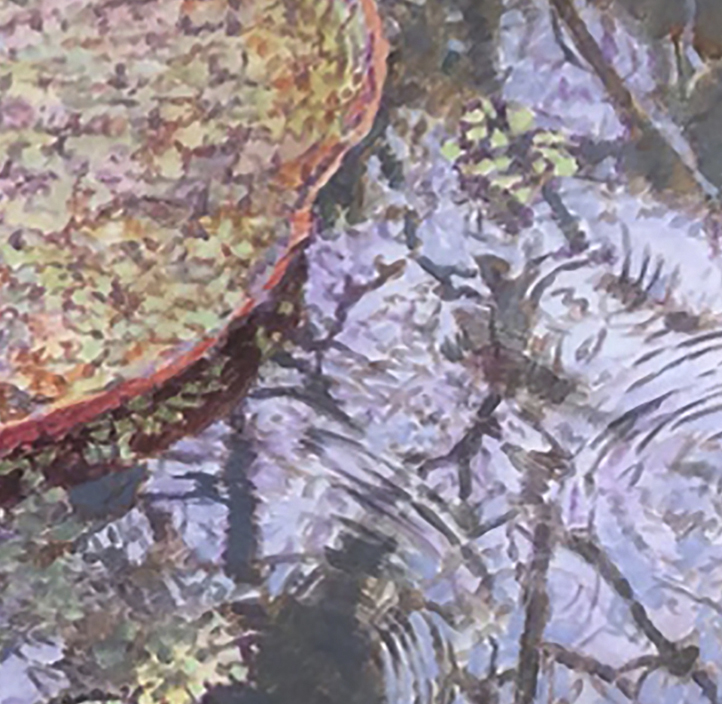
The "Mazorca de agua" allows us to follow the path of the water going down to reach the rivers and jungle pools, such as those that are the habitat for the majestic "Victoria Regia", an aquatic plant that deserves a vibrant series of paintings.
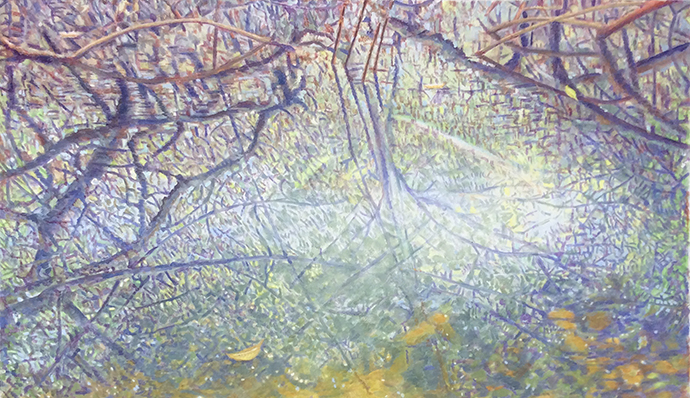
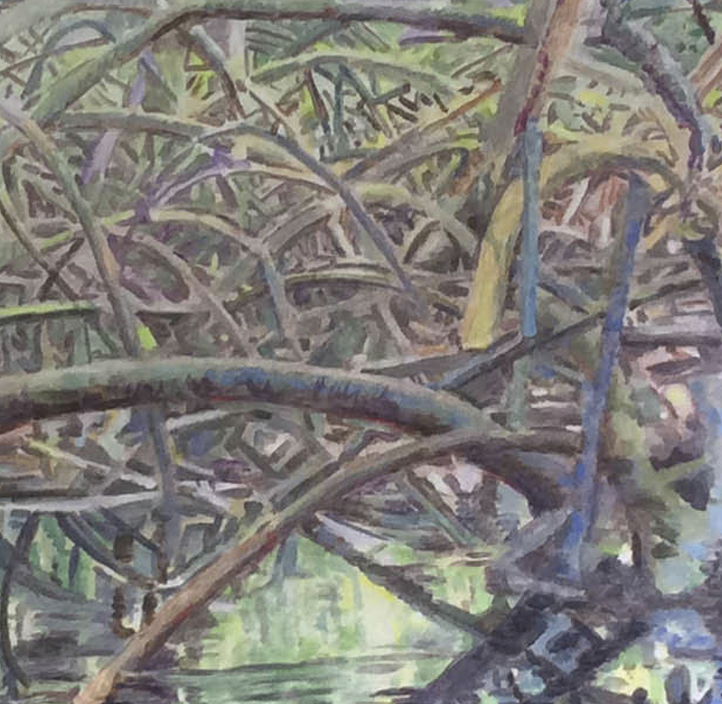
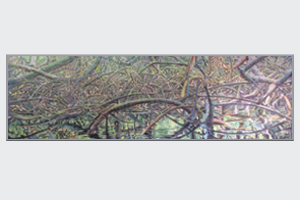
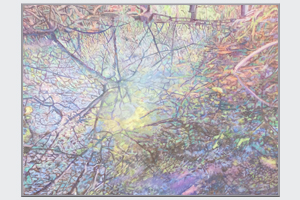
The exhibition route, like the water, flows into the mangrove, another atypical ecosystem in the landscape that slowly reveals itself before our eyes, and takes shape and meaning only when we dedicate a moment of contemplation to the brushstrokes and the infinite tones that conform it.
From the beginning of the 21st century, Óscar Alzate committed his art to two essential elements of nature: air and water. His paintings focused on three iconic plants of Colombia’s ecosystems: the water corn plant, the Victoria regia, and the mangrove. Through these subjects, Alzate reflected on the fragility of nature and the threats posed by deforestation, resource exploitation, and global warming. His work became a visual testimony to a changing planet. As he expressed: “Perhaps when our grandchildren look at my paintings, they will say: This is what the Earth was like before.” Óscar Alzate (1951–2018)
Óscar Alzate studied art at the Departmental School of Arts, the Art District School, and the National University, where he continued his studies until 1973. After becoming increasingly interested in exploring other forms of artistic expression, he devoted himself to photography and experimented with film, a challenging medium at the time. In 1977, he decided to dedicate himself fully to painting. He later traveled to Paris, where he lived for two years and continued developing his artistic vision. Upon returning to Colombia, he was awarded a scholarship to study restoration in Peru. After completing the course, he returned to Colombia and continued dedicating himself to painting and developing his artistic work.
Óscar Alzate participated in group exhibitions in various places until, in 1979, he held his first solo exhibition at the Banco de la República. He later exhibited in two galleries in Bogotá that no longer exist, Ibarra and San Diego. At the same time, he worked with a gallery in Paris called L’Oeil de Bœuf, which invited him to present a solo exhibition.
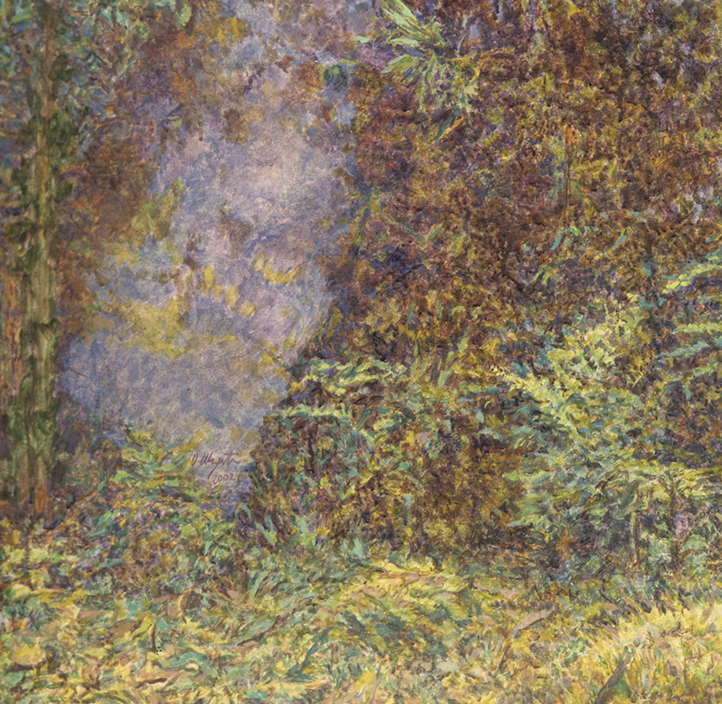
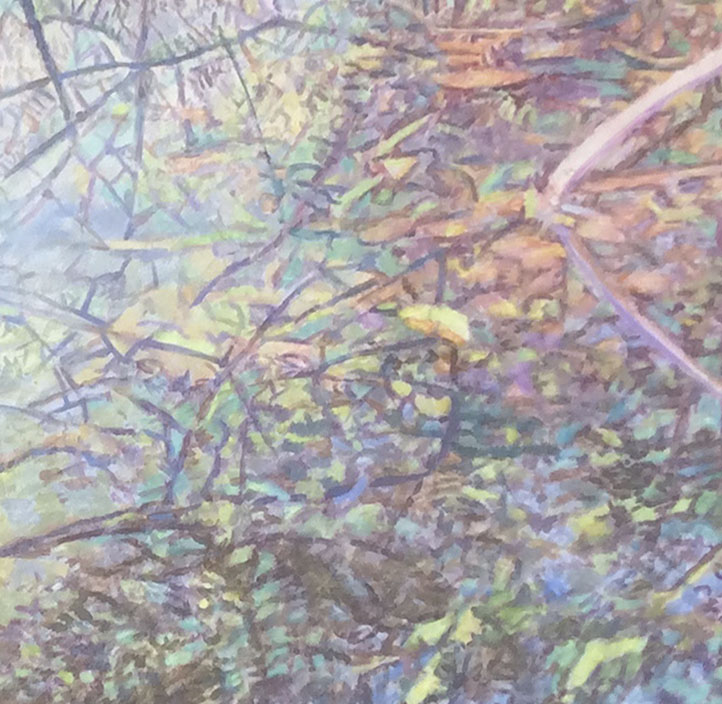
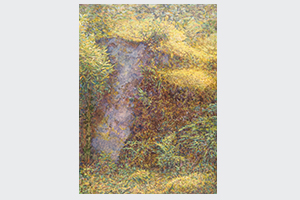
The scenes that are presented in each of the paintings evoke a virgin world, in which the trace of human beings has had no impact. The earthy, green and violet tones make up a quasi-prehistoric, exuberant and impenetrable vision. In this sense, paintings have the ability to transport us to a temporality contrary to that of the contemporary world.
When contemplating these ancient species that appear to possess the territory they inhabit, we are confronted with the extensive cycles in which nature operates. Alzate's work invites us to reflection and contemplation, to devote an attentive look to the details that make up each of the pieces, to truly understand the process on which its forms are built.
-Ana María Guerrero.
0,90 x 1,25m
Acrilic on canvas
2002
Musgo y líquénes
0,90m x 1,25m
Acrilic on canvas
2013
Color Leaves
2,45m x 1,65m
Acrilic on canvas
2016
The "Mazorca de agua" is a plant with large leaves that occurs in wet crevices in the rocks that are at altitudes up to 3,200 meters above sea level.
1,73m x 1,18m
Acrilic on canvas
2016
The artist portrayed these leaves at the high points of the highway that goes from Bogotá Choachí, the municipality where he lived for many years.
2,10m x 0,65m
Acrilic on canvas
2017
Mangroves are a marine-coastal ecosystem located in the tropics and subtropics, they are a transition from land to sea, and protect tropical coasts with trees and shrubs.
1,72m x 1,35m
Acrilic on canvas
2017
The mangrove is a wood so resistant to humidity that it has been indiscriminately felled, destroying many mangroves in the world.
1,75m x 0,85m
Acrilic on canvas
2016
This aquatic plant that occurs in moisture from rivers such as the Amazon.
1,70m x 1,30m
Acrilic on canvas
2017
The lily or water lily is from shallow waters, the artist met the world of the "Victoria Regia" in the least predictable place.
"El arte para mí ha sido un sueño, y en ese sueño soy un náufrago perdido en el espacio y el tiempo, y mis obras son mensajes lanzados dentro de botellas, con la ilusión de que lleguen a algún destino milagroso". - O. Alzate
Copyright © 2021 Design Gliksolutions